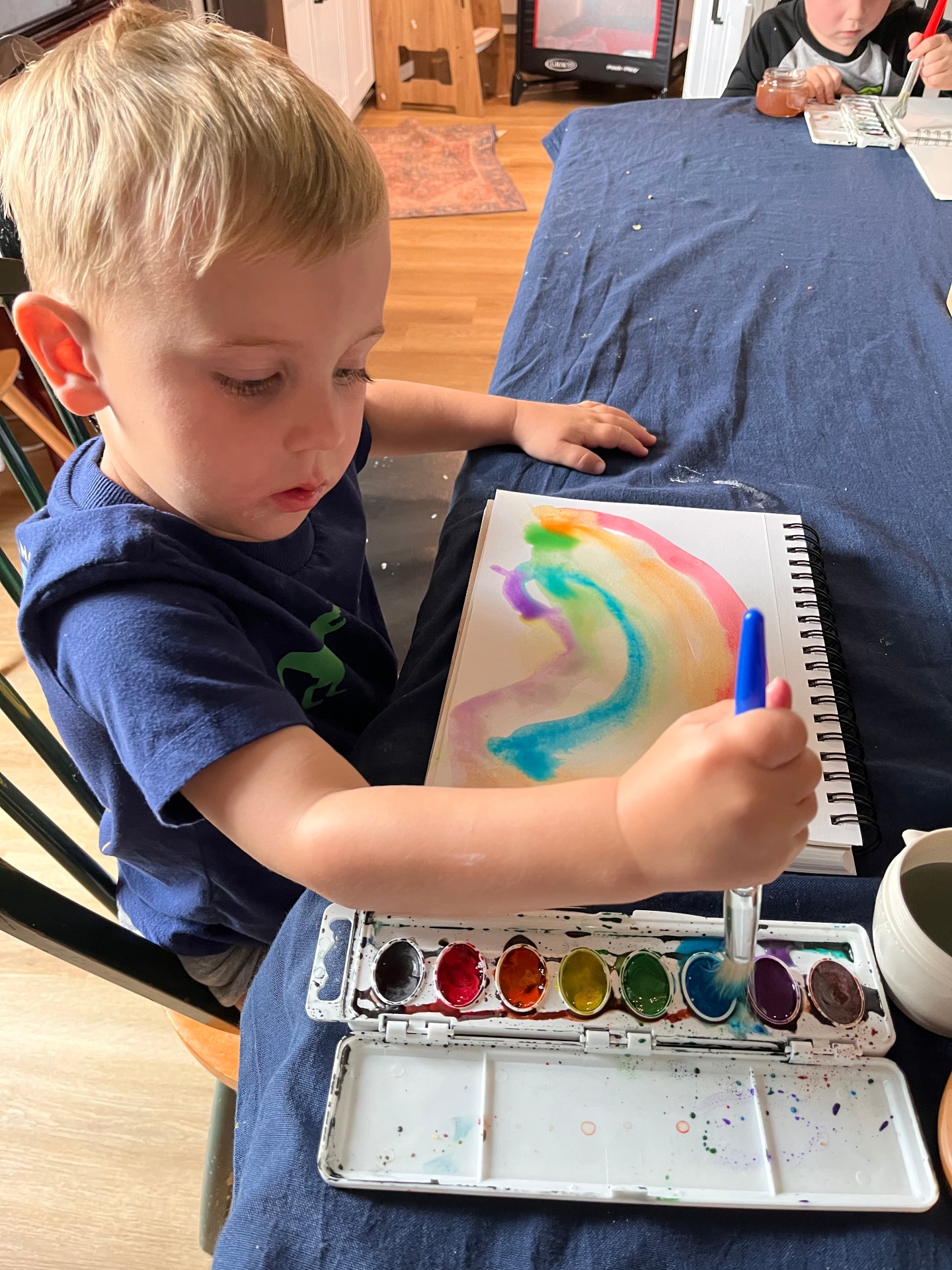
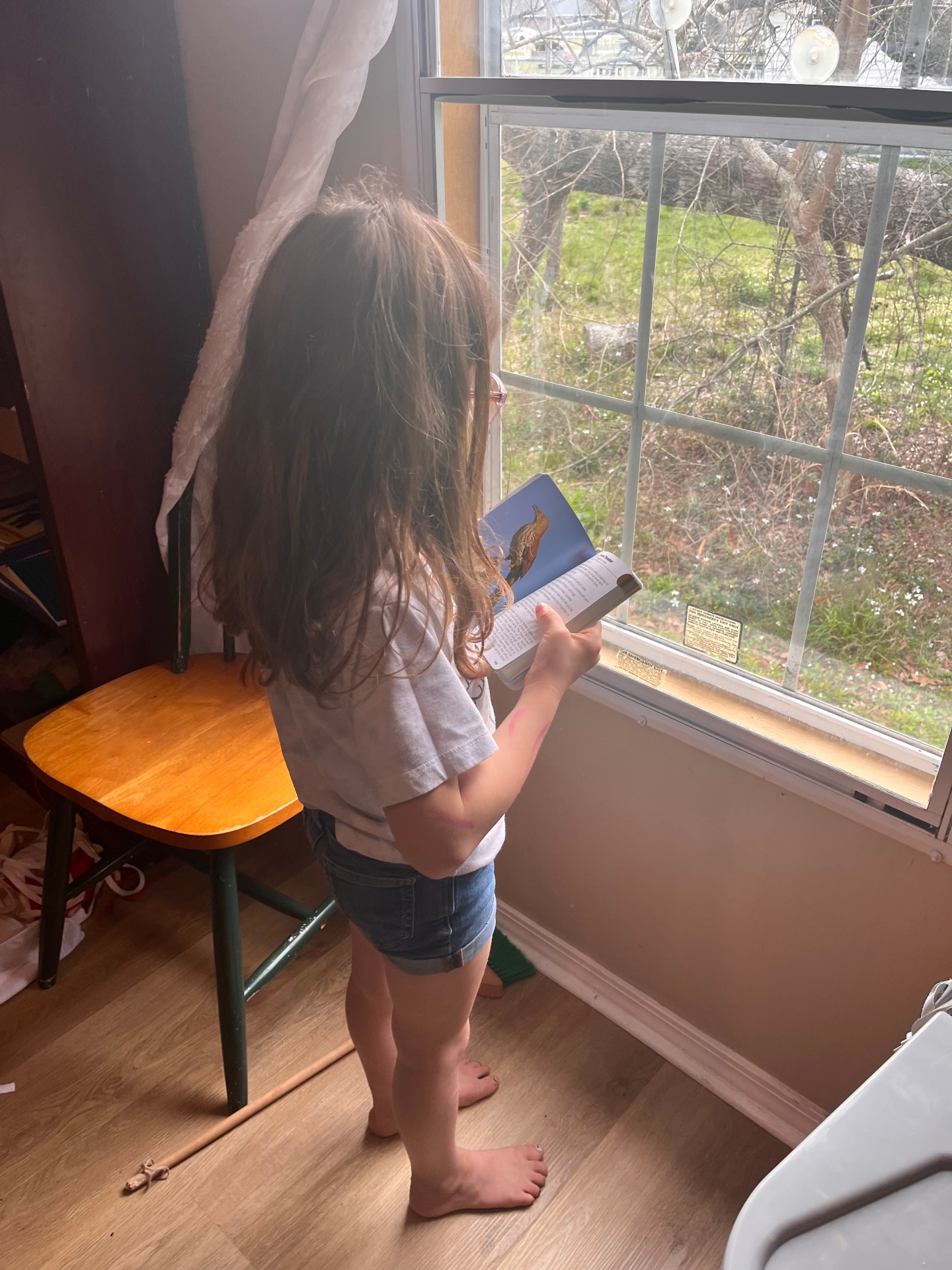
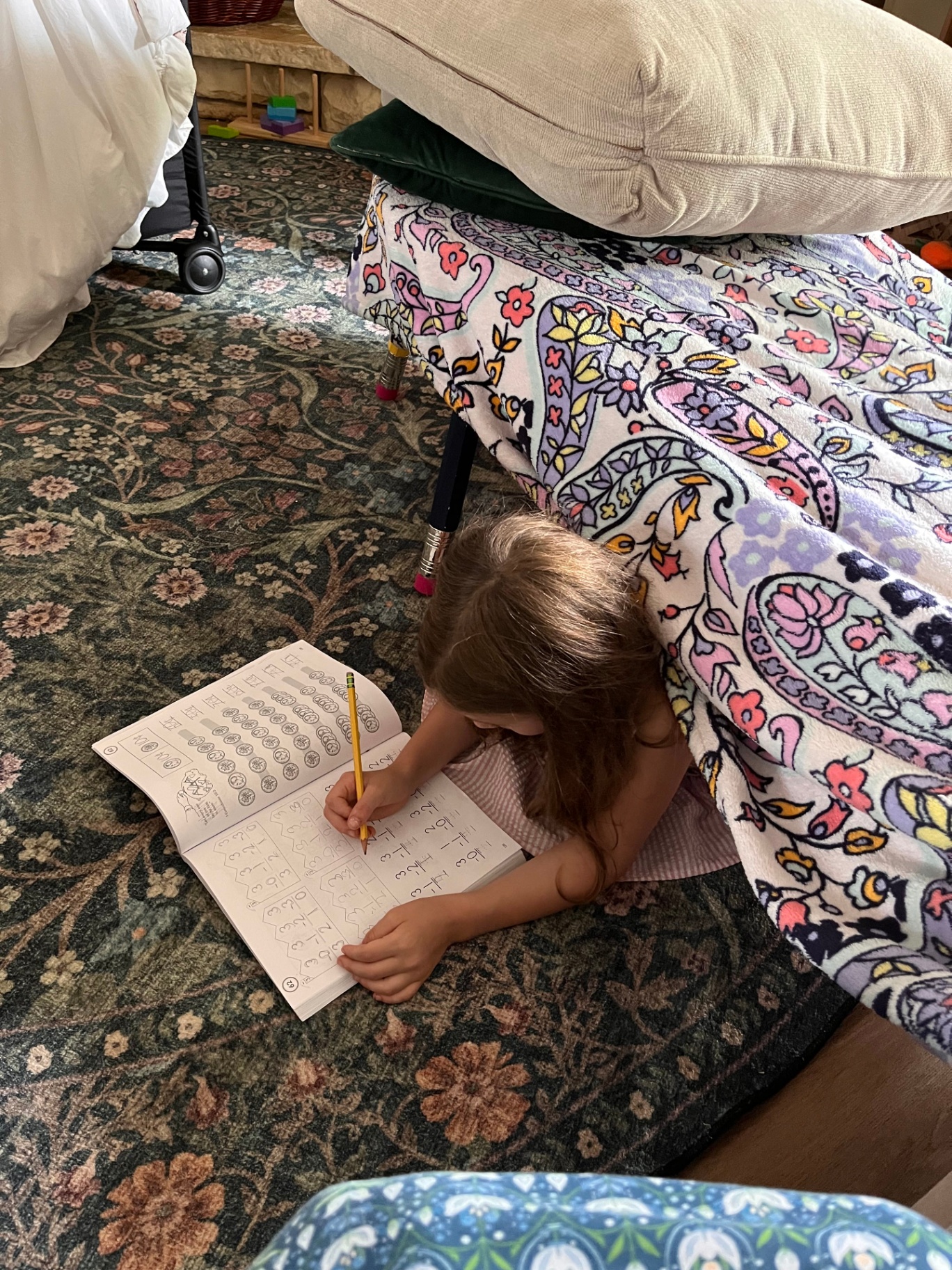
If you have been searching for a smaller, more personal education option for your child, you are not alone. Micro-homeschooling is growing across Mississippi — especially along the Gulf Coast — because it gives families the freedom of home education with the rhythm, friendship, and support of a close-knit group. This guide explains what a micro-homeschool is, how Mississippi law treats it, and the exact steps to start one in Hancock, Harrison, or Pearl River counties.
What is a micro-homeschool?
A micro-homeschool is a very small learning community — usually two to eight families — that shares a weekly schedule, curriculum values, and sometimes a teacher or host space. Unlike a traditional private school, each family remains the legal homeschool. Unlike a lone homeschool, the children learn together several days a week, build friendships, and benefit from another adult’s strengths.
In South Mississippi, micro-homeschools often meet in homes, church classrooms, or outdoor spaces such as the trails, beaches, and parks around the Bay, Diamondhead, and Pass Christian. They are typically multi-age, play-based, and built around a shared faith or educational philosophy.
Why Mississippi families choose micro-homeschooling
- Personalized pace: A child can master phonics early, linger on fractions, or move ahead in science without waiting for an entire class.
- Stronger relationships: Weekly interaction with the same small group gives children lasting friendships and gives parents trusted support.
- Faith and values: Families can integrate prayer, scripture, character formation, and a Charlotte Mason or classical approach into the day.
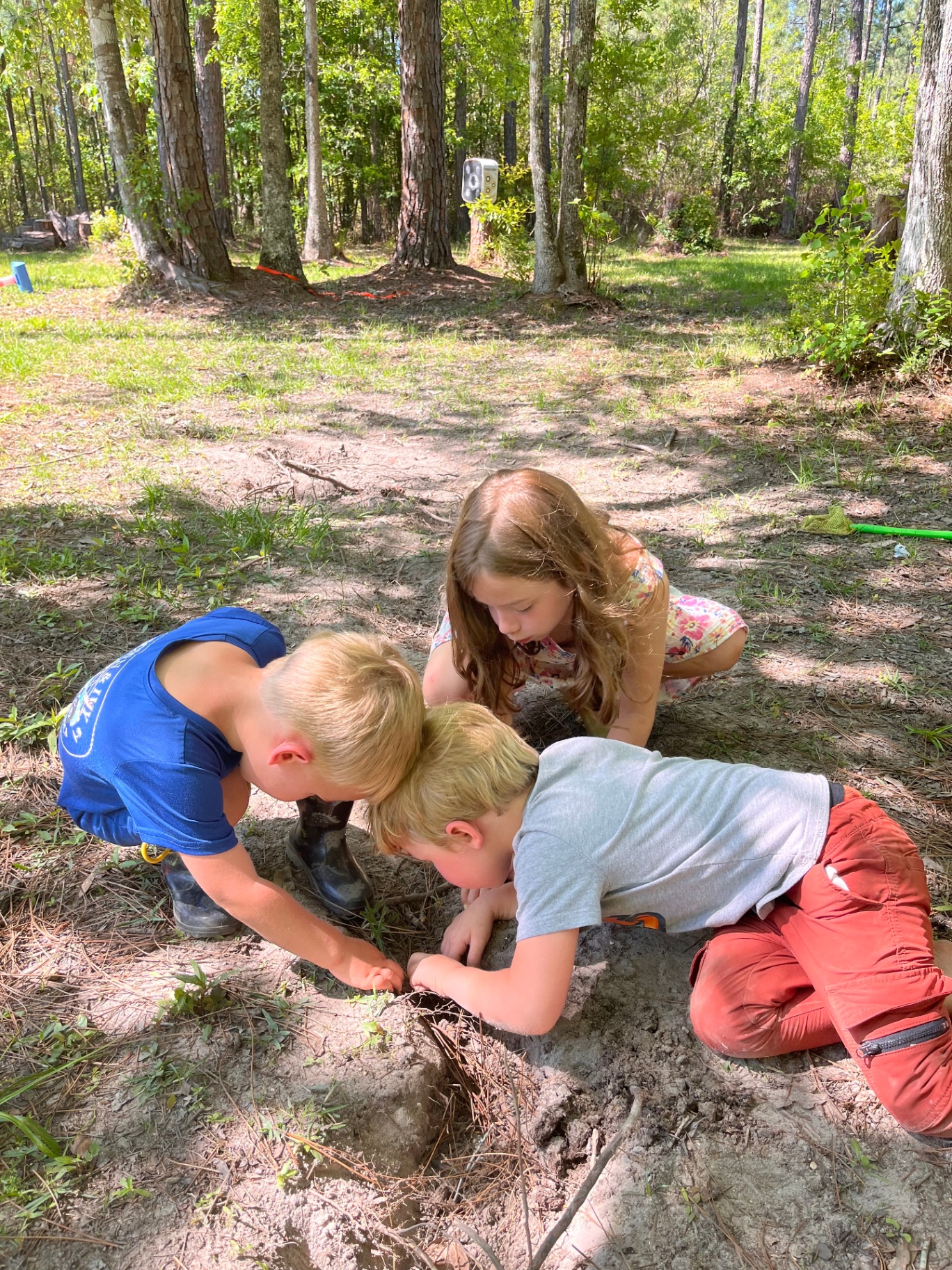
- Outdoor learning: The Mississippi Gulf Coast offers year-round nature study, gardening, beach walks, and wildlife observation.
- Lower cost: Sharing curriculum, materials, and teaching time keeps expenses far below most private schools.
Homeschool Laws in MS: What Parents Need to Know
Mississippi is a low-regulation state for homeschooling. Under Mississippi Code § 37-13-91, parents may teach their children at home if they file a Certificate of Enrollment with the school attendance officer in the county where the family lives. The certificate is due by September 15 each year, and it must be resubmitted annually.
The homeschool must teach the same basic subjects taught in Mississippi public schools — reading, writing, English language arts, mathematics, science, social studies, and, in the upper grades, health and physical education. Parents choose the curriculum, set the schedule, and keep attendance and academic records. There is no required teacher certification, no standardized testing, and no state approval of curriculum.
Quick checklist for Mississippi homeschool compliance
- File your Certificate of Enrollment with the county attendance officer by September 15.
- Teach the required basic subjects.
- Keep a school-year calendar of at least 180 days of instruction.
- Maintain attendance records and samples of schoolwork.
- Register your child between the ages of 6 and 17.
The Mississippi Department of Education provides the Certificate of Enrollment form on its website. For the most current version, search “Mississippi homeschool Certificate of Enrollment” or contact your county superintendent’s office.
Homeschool Programs in MS: Co-ops, Micro-Schools & Support
Homeschool programs in MS range from informal parent-led co-ops to structured micro-schools like St. Emmelia. A co-op usually meets one or two days a week for shared classes, field trips, and social events. A micro-school meets more regularly and often includes a hired teacher, a prepared curriculum, and mixed-age classrooms.
On the Mississippi Gulf Coast, families in Hancock, Harrison, and Pearl River counties can choose from nature groups, library meetups, sports leagues, 4-H clubs, and faith-based co-ops. If you want the flexibility of homeschooling with the consistency of a classroom, a micro-school can give you both: you remain the legal homeschool, and your child receives regular instruction, friendship, and routine.
- Co-ops: Parent-led, usually low cost, great for socialization and shared teaching.
- Micro-schools: Small classrooms with a consistent teacher and daily rhythm.
- Nature & enrichment programs: Beach walks, forest school, art classes, and music lessons.
- Online or hybrid options: Some families combine live local classes with recorded curricula.
How to start a micro-homeschool in South Mississippi
- Clarify your vision. Decide what you want for your children: academics, faith, social life, outdoor time, and family schedule. Write a one-page mission statement. This will guide every decision from curriculum to discipline to holidays.
- Find one or two like-minded families. Micro-homeschools work best with families who share similar goals and expectations. Ask around your church, local homeschool groups, MOPS, or community boards in Kiln, Diamondhead, Bay St. Louis, Waveland, or Gulfport.
- Choose a host and schedule. Some families rotate homes; others use a church classroom or a covered outdoor pavilion. Most micro-homeschools meet two to four days a week, with the remaining days reserved for home lessons and errands.
- File the legal paperwork. Each parent files their own Certificate of Enrollment for their own children. The group itself does not need to register as a school, but the host space should be safe and insured.
- Choose shared curriculum or themes. Many families combine a core curriculum with shared read-alouds, nature study, art, and music. Decide who teaches which subject and how costs are shared.
- Build routines and boundaries. Agree on start and end times, sick-day policies, discipline, technology use, and communication. A simple handbook prevents conflict later.
- Keep records together. Even though each family is legally independent, share a simple attendance sheet and activity log so everyone has proof of instruction for the year.
Curriculum and daily rhythm
A micro-homeschool day usually blends structured lessons with open-ended exploration. A typical morning might include a shared Bible reading, a math lesson in small groups, a read-aloud chapter, then an outdoor nature walk or hands-on science project. Afternoons are often reserved for art, music, free play, or independent reading.
Popular curriculum styles in Mississippi micro-homeschools include Charlotte Mason (short lessons, living books, nature study), classical education (memory work, Latin, chronological history), and unit studies built around a science theme or historical period. The key is to pick something sustainable and let the group adapt as the children grow.
Finding community on the Mississippi Gulf Coast
You do not have to build a micro-homeschool alone. The Gulf Coast is home to a warm network of homeschool co-ops, nature groups, sports leagues, and 4-H clubs. Families in Hancock, Harrison, and Pearl River counties often connect through Facebook groups, church bulletin boards, library events, and local parks. Attending a few events first is the best way to meet families who might want to partner in a micro-school.
If you are in the early research phase, consider visiting a local homeschool day, nature co-op, or a small school like St. Emmelia to see how a rhythm of learning, play, and faith can feel in real life.
When to consider a micro-school instead
Sometimes a micro-homeschool evolves into a micro-school, or a family decides they need a trained teacher and a consistent classroom five days a week. A micro-school is a small, private learning environment led by an educator other than the parent. Families still file their own Certificate of Enrollment if the child is legally homeschooled, or the school may operate as a private entity with its own accreditation path.
If you want the warmth of a micro-homeschool but need more structure, a micro-school can offer prepared lessons, mixed-age classrooms, and community without the full responsibility of designing every subject.
Visit St. Emmelia Home School
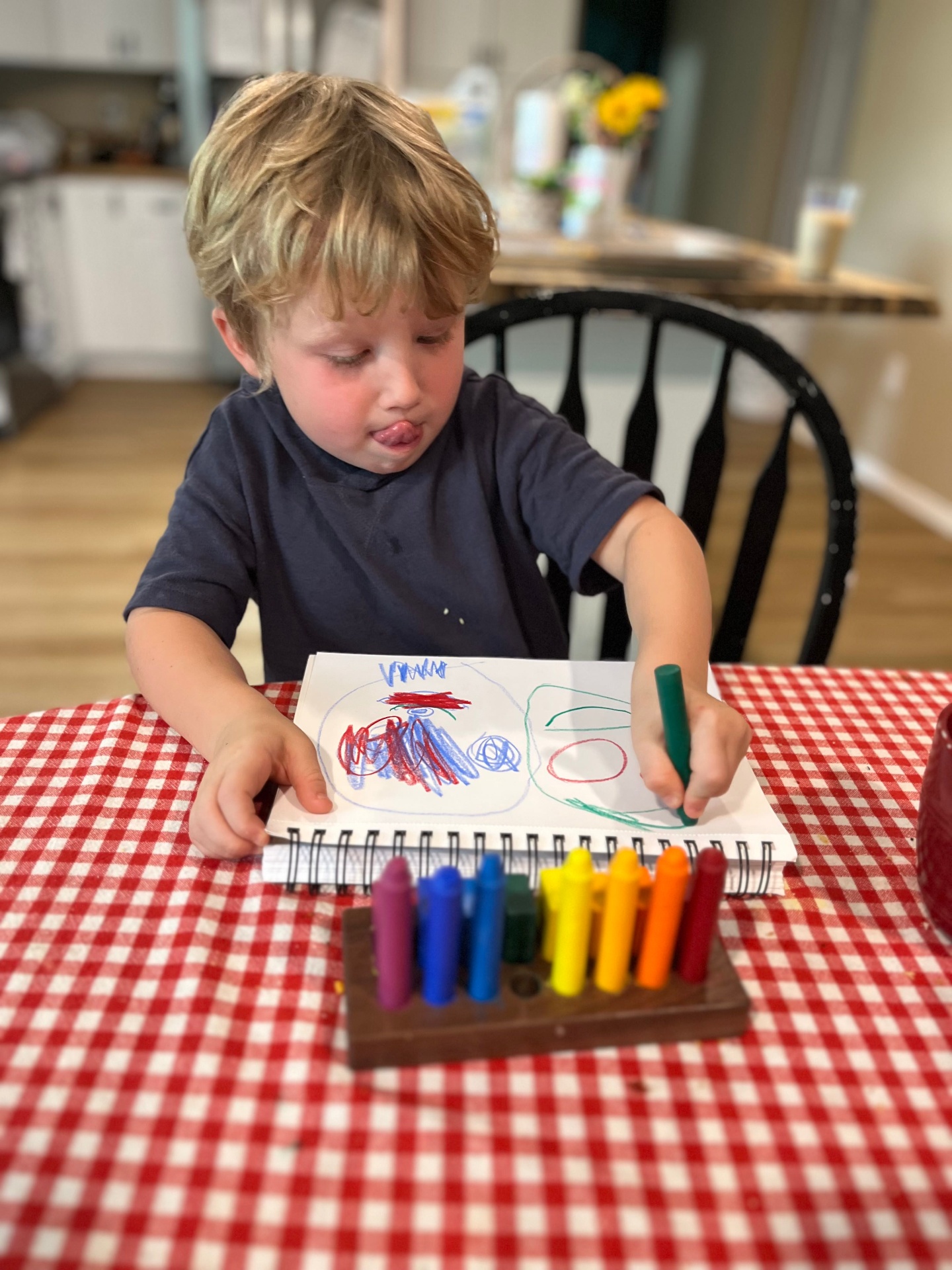
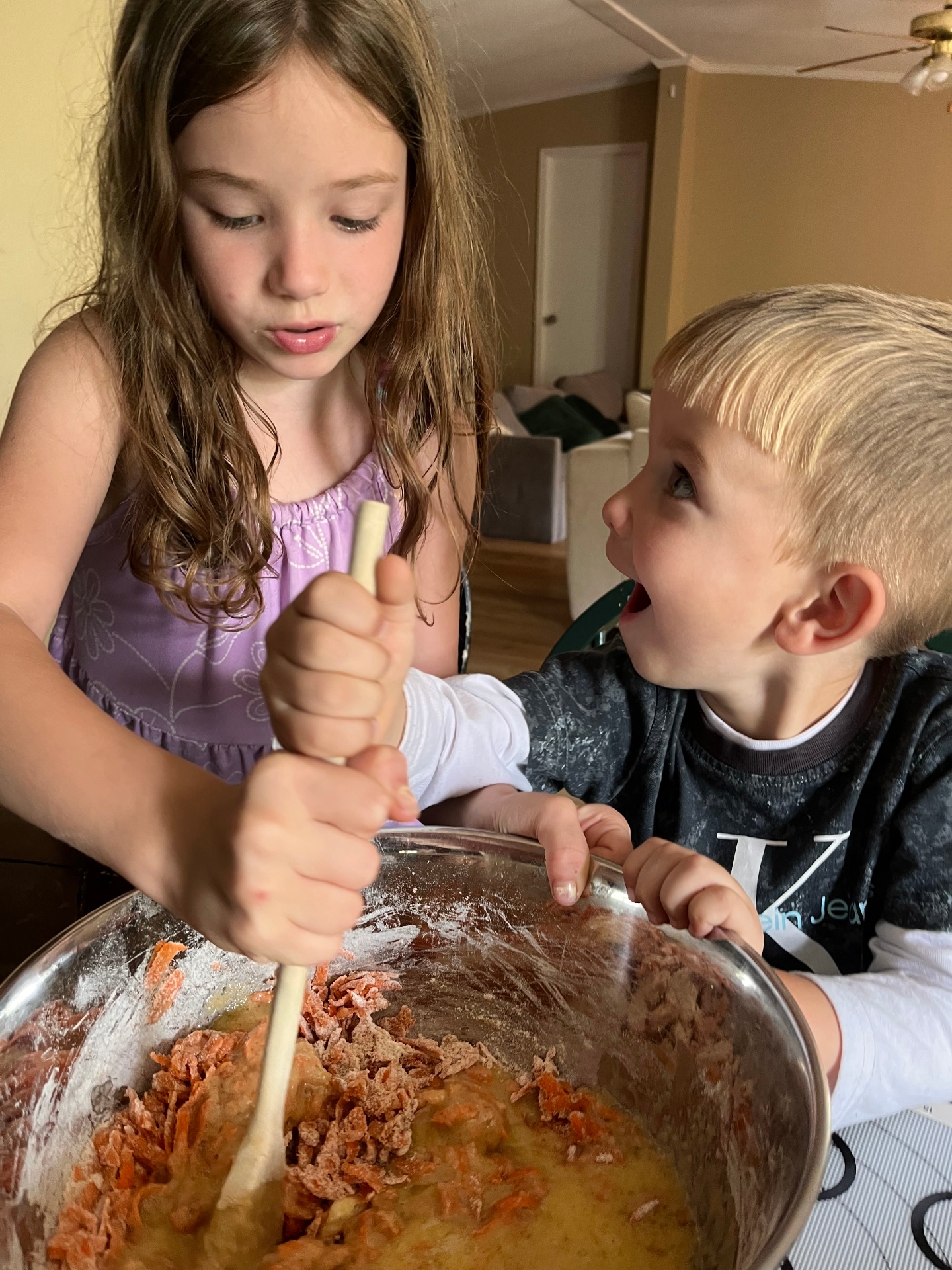
St. Emmelia Home School in Kiln, Mississippi, is a small, nature-rich micro-school for early learners. We combine Charlotte Mason-inspired academics with outdoor play, hands-on art and cooking, and gentle Christian formation. Whether you are starting your own micro-homeschool or looking for a trusted partner in your child’s education, we would love to meet you.
Disclaimer: This guide is for informational purposes only and does not constitute legal advice. Mississippi homeschool law can change, so verify current requirements with the Mississippi Department of Education or a qualified attorney before filing your Certificate of Enrollment.